


As a leading supplier of Elastic Polyamide Resin, I've witnessed firsthand the growing demand for this remarkable material across various industries. One of the most frequently asked questions I encounter is about its heat resistance. In this blog post, I'll delve into the heat resistance of Elastic Polyamide Resin, exploring its properties, applications, and factors that influence its performance under high - temperature conditions.
Understanding Elastic Polyamide Resin
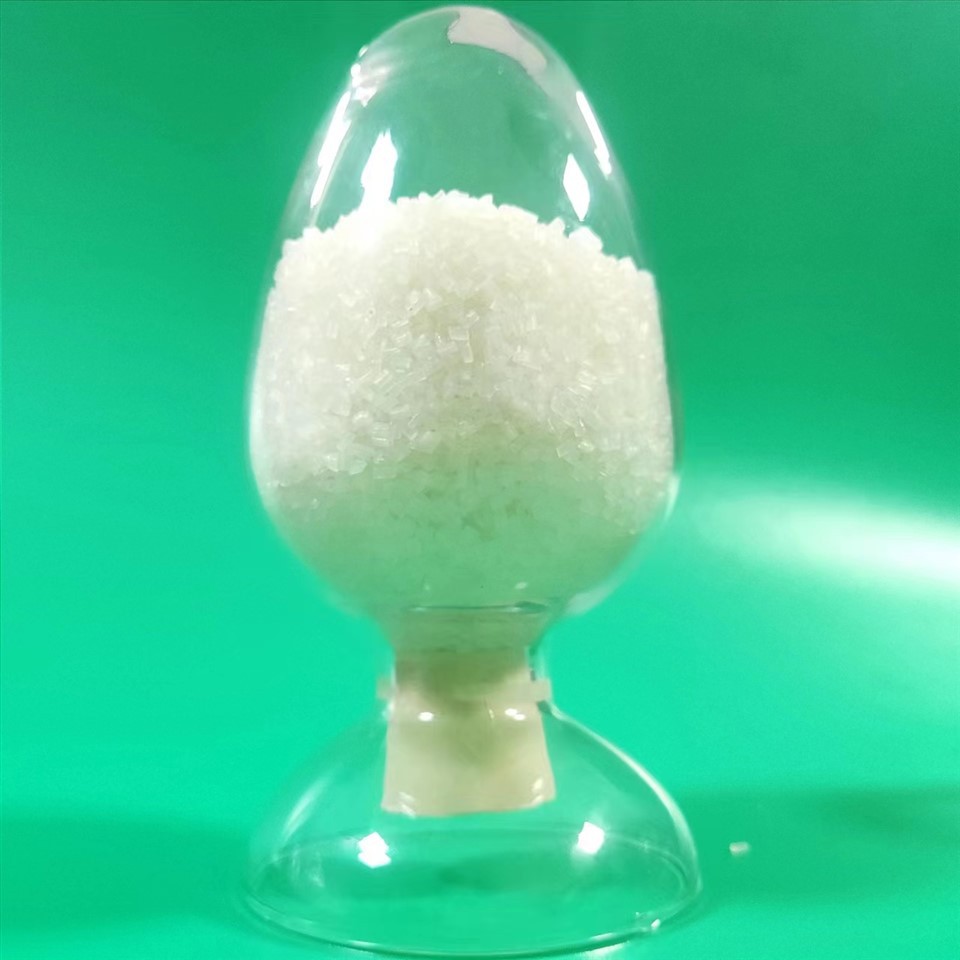
Elastic Polyamide Resin, also known as Elastomer Polyamide or Elastomer Nylon, is a type of specialty nylon resin that combines the strength and durability of polyamide with the elasticity of elastomers. You can learn more about it on our website: Elastic Polyamide Resin, Elastomer Polyamide, and Elastomer Nylon. This unique combination makes it an ideal choice for a wide range of applications where both flexibility and robustness are required.
Heat Resistance Properties
The heat resistance of Elastic Polyamide Resin is one of its most important characteristics. Generally, it can withstand relatively high temperatures compared to many other elastomers. The specific heat - resistant range depends on the formulation of the resin.
Most Elastic Polyamide Resins can operate continuously at temperatures ranging from - 40°C to 120°C. Some high - performance grades can even tolerate intermittent temperatures up to 150°C without significant loss of mechanical properties. This makes them suitable for applications in environments where temperature fluctuations are common.
One of the key factors contributing to its heat resistance is the chemical structure of polyamide. Polyamide has strong intermolecular forces, such as hydrogen bonding, which hold the polymer chains together. These forces provide stability at elevated temperatures, preventing the chains from moving freely and maintaining the material's integrity.
Applications Based on Heat Resistance
Automotive Industry
In the automotive sector, Elastic Polyamide Resin is widely used due to its heat - resistant properties. It can be found in engine components, such as gaskets and seals. The engine compartment can reach high temperatures during operation, and materials used in this area need to withstand these conditions without degrading. Elastic Polyamide Resin's ability to maintain its elasticity and sealing performance at high temperatures ensures reliable operation of the engine.

Electrical and Electronics
Electrical and electronic devices generate heat during operation. Elastic Polyamide Resin is used in cable insulation, connectors, and housings. It provides electrical insulation while also withstanding the heat generated by the components. For example, in high - power LED lighting systems, the resin can be used to encapsulate the LEDs, protecting them from heat and environmental factors.
Industrial Machinery
Industrial machinery often operates in harsh environments with high temperatures. Elastic Polyamide Resin is used in conveyor belts, gears, and bearings. Its heat resistance allows these components to function properly under continuous stress and high - temperature conditions, reducing the need for frequent replacements and maintenance.
Factors Affecting Heat Resistance
Additives
Additives play a crucial role in enhancing the heat resistance of Elastic Polyamide Resin. Heat - stabilizers can be added to the resin formulation to prevent oxidation and thermal degradation at high temperatures. These stabilizers work by scavenging free radicals that are generated during the heating process, thus extending the material's service life at elevated temperatures.
Molecular Weight
The molecular weight of the polymer chains in Elastic Polyamide Resin also affects its heat resistance. Higher molecular weight polymers generally have better heat - resistant properties because they have more extensive intermolecular interactions. Longer polymer chains are more difficult to break apart under heat, providing greater stability.
Crystallinity
The degree of crystallinity in the resin influences its heat resistance. Semi - crystalline Elastic Polyamide Resins tend to have better heat - resistant properties than amorphous ones. The crystalline regions in the polymer act as physical cross - links, restricting the movement of the polymer chains at high temperatures and maintaining the material's mechanical strength.
Testing Heat Resistance
To ensure the quality and performance of Elastic Polyamide Resin, various tests are conducted to evaluate its heat resistance.
Thermal Gravimetric Analysis (TGA)
TGA measures the weight loss of a material as it is heated at a constant rate. By analyzing the weight - loss curve, we can determine the onset of thermal degradation and the temperature at which significant weight loss occurs. This helps in understanding the stability of the resin at different temperatures.
Differential Scanning Calorimetry (DSC)
DSC measures the heat flow associated with physical and chemical changes in a material as a function of temperature. It can be used to determine the melting point, glass transition temperature, and crystallization behavior of Elastic Polyamide Resin. These parameters are important for understanding how the material will perform under different temperature conditions.
Comparing with Other Materials
When compared to other elastomers, Elastic Polyamide Resin offers a unique combination of heat resistance and mechanical properties. For example, natural rubber has poor heat resistance and starts to degrade at relatively low temperatures. Silicone rubber, on the other hand, has excellent heat resistance but may lack the mechanical strength and chemical resistance of Elastic Polyamide Resin.
In comparison with traditional thermoplastics, Elastic Polyamide Resin provides greater flexibility while still maintaining good heat - resistant properties. This makes it a preferred choice for applications where both flexibility and high - temperature performance are required.
Conclusion
The heat resistance of Elastic Polyamide Resin is a significant advantage that makes it suitable for a wide range of applications in various industries. Its ability to withstand high temperatures, combined with its flexibility and mechanical strength, makes it a versatile material.
If you're interested in incorporating Elastic Polyamide Resin into your products or projects, I encourage you to reach out to us for more information. We can provide detailed technical specifications, samples, and guidance on the best resin formulation for your specific needs. Whether you're in the automotive, electrical, or industrial machinery sector, our Elastic Polyamide Resin can offer the performance and reliability you require.
References
- "Polymer Science and Engineering" by Donald R. Paul and Charles B. Bucknall.
- "Handbook of Elastomers" edited by A. K. Bhowmick and H. L. Stephens.
- Technical reports from our in - house research and development team on Elastic Polyamide Resin.


