


As a supplier of Elastomer Polyamide, I've witnessed firsthand the profound impact that temperature can have on this remarkable material. Elastomer Polyamide, a versatile and high - performance polymer, is widely used across various industries due to its excellent mechanical properties, chemical resistance, and elasticity. However, its behavior can change significantly with fluctuations in temperature, and understanding these changes is crucial for both manufacturers and end - users.
Low - Temperature Effects on Elastomer Polyamide
At low temperatures, Elastomer Polyamide experiences a series of physical and mechanical changes. One of the most notable effects is the reduction in its flexibility. The polymer chains within Elastomer Polyamide become less mobile as the temperature drops. As a result, the material becomes stiffer and more brittle. This is because the thermal energy available to the polymer chains is insufficient to overcome the intermolecular forces holding them together.
For instance, in automotive applications where Elastomer Polyamide may be used for seals or gaskets, low - temperature brittleness can be a major concern. In cold climates, the reduced flexibility of the material can lead to cracks and leaks. This not only compromises the performance of the automotive components but also increases the risk of mechanical failures.
The glass transition temperature (Tg) is a critical parameter when discussing the low - temperature behavior of Elastomer Polyamide. Below the Tg, the material transitions from a rubber - like, flexible state to a glassy, rigid state. The Tg of Elastomer Polyamide can vary depending on its chemical composition and molecular structure. As a supplier, we often work closely with our customers to select the appropriate grade of Elastomer Polyamide based on the expected low - temperature operating conditions.
In addition to the change in flexibility, low temperatures can also affect the impact resistance of Elastomer Polyamide. The material's ability to absorb energy during an impact is diminished as it becomes stiffer. This can be a problem in applications where the material is subjected to sudden impacts, such as in sports equipment or protective gear.
High - Temperature Effects on Elastomer Polyamide
High temperatures, on the other hand, bring about a different set of changes to Elastomer Polyamide. One of the primary effects is a decrease in its mechanical strength. As the temperature rises, the polymer chains gain more thermal energy, which weakens the intermolecular forces between them. This leads to a reduction in the material's tensile strength, hardness, and modulus of elasticity.

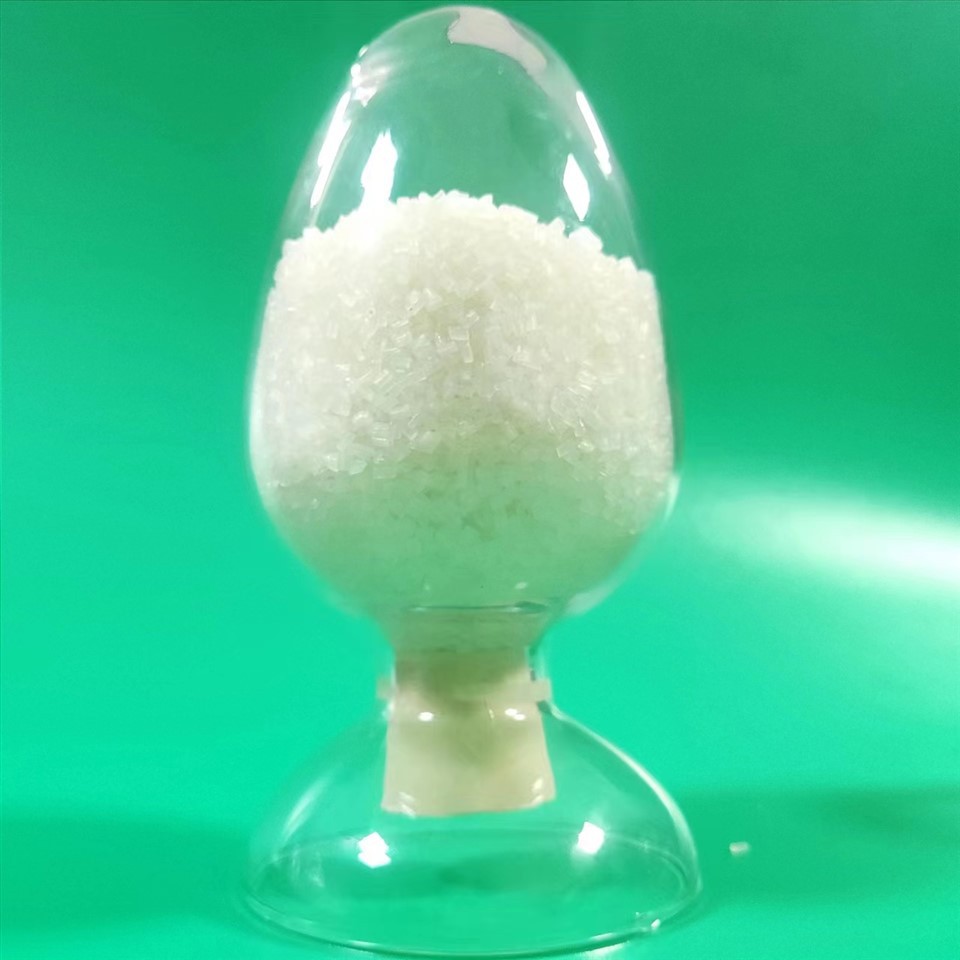
In applications where Elastomer Polyamide is used for load - bearing components, such as in industrial machinery or aerospace parts, the decrease in mechanical strength at high temperatures can be a significant drawback. For example, in an aircraft engine, the high - temperature environment can cause the Elastomer Polyamide components to deform or fail under stress, which can have serious safety implications.
Another important aspect is the potential for thermal degradation. At elevated temperatures, Elastomer Polyamide can undergo chemical reactions that break down its molecular structure. This can result in the release of volatile compounds, a change in color, and a loss of mechanical properties over time. The rate of thermal degradation depends on factors such as the temperature, exposure time, and the presence of oxygen and other reactive substances.
As a supplier, we offer Elastomer Polyamide grades with enhanced thermal stability for high - temperature applications. These grades are formulated with additives that can help to inhibit thermal degradation and maintain the material's performance at elevated temperatures. For more information about our high - temperature resistant Elastomer Polyamide products, you can visit our website: Elastomer Polyamide.
Temperature - Dependent Swelling and Shrinkage
Temperature also affects the dimensional stability of Elastomer Polyamide. Like many polymers, Elastomer Polyamide expands when heated and contracts when cooled. This thermal expansion and contraction can cause problems in applications where precise dimensions are required.
For example, in precision engineering applications, such as in the manufacturing of electronic components or medical devices, even a small change in the dimensions of Elastomer Polyamide parts can lead to misalignments or malfunctions. As a supplier, we provide our customers with detailed information about the coefficient of thermal expansion (CTE) of our Elastomer Polyamide products. This allows them to design their components with appropriate tolerances to account for thermal expansion and contraction.
Impact on Chemical Resistance
Temperature can also influence the chemical resistance of Elastomer Polyamide. In general, the material's resistance to chemicals tends to decrease at higher temperatures. This is because the increased mobility of the polymer chains at high temperatures makes it easier for chemical agents to penetrate the material and react with its molecular structure.
For example, in chemical processing plants, where Elastomer Polyamide may be used for gaskets or pipelines to handle various chemicals, the high - temperature environment can reduce the material's ability to withstand chemical attacks. This can lead to premature failure of the components and leakage of chemicals, which is not only dangerous but also costly.
On the other hand, at low temperatures, the reduced mobility of the polymer chains can make the material more resistant to some chemicals. However, the brittleness of the material at low temperatures can also lead to cracking if it is subjected to mechanical stress while in contact with chemicals.
Applications and Temperature Considerations
The understanding of how temperature affects Elastomer Polyamide is crucial for its successful application in various industries. In the automotive industry, as mentioned earlier, the material is used for a wide range of components, from seals and gaskets to interior trim parts. Designers need to consider the temperature variations that the material will experience in different climates and driving conditions.
In the electronics industry, Elastomer Polyamide is used for insulation, connectors, and protective housing. The heat generated by electronic devices can cause the temperature of the Elastomer Polyamide components to rise, and designers must ensure that the material can maintain its performance under these conditions.
In the sports industry, Elastomer Polyamide is used in equipment such as shoes, helmets, and balls. Athletes may use this equipment in different weather conditions, from cold winter days to hot summer afternoons. The material's performance should remain consistent across a wide temperature range to ensure the safety and comfort of the athletes.
Selecting the Right Elastomer Polyamide Grade
As a supplier, we play a crucial role in helping our customers select the right grade of Elastomer Polyamide for their specific applications. We take into account factors such as the expected temperature range, the mechanical and chemical requirements of the application, and the cost - effectiveness.
For low - temperature applications, we may recommend grades with a lower glass transition temperature and better impact resistance. These grades can maintain their flexibility and toughness even in cold environments. For high - temperature applications, we offer grades with enhanced thermal stability and mechanical strength at elevated temperatures.
We also provide technical support to our customers during the design and manufacturing process. Our team of experts can help with the selection of the appropriate processing parameters, such as molding temperature and pressure, to ensure the optimal performance of the Elastomer Polyamide components.
Conclusion
Temperature has a significant impact on the properties and performance of Elastomer Polyamide. From low - temperature brittleness to high - temperature degradation, understanding these effects is essential for the successful use of this material in various applications. As a leading supplier of Elastomer Nylon and Elastic Polyamide Resin, we are committed to providing our customers with high - quality products and expert technical support.
If you are in the market for Elastomer Polyamide and need assistance in selecting the right grade for your application or have any questions about the temperature - related properties of the material, we encourage you to contact us. Our team of professionals is ready to discuss your requirements and help you find the best solution for your needs.
References
- "Polymer Science: Principles and Applications" by Fried, J.R.
- "Engineering Plastics" by Osswald, T.A. and Menges, G.
- Technical papers on Elastomer Polyamide published by industry research institutions.


