


Can submarine cable sheathing nylon be used in shallow - water environments?
As a supplier of Submarine Cable Sheathing Nylon, I've been frequently asked about the suitability of our product for shallow - water environments. In this blog, I'll delve into the characteristics of submarine cable sheathing nylon and analyze its potential application in shallow - water areas.
First, let's understand what Submarine Cable Sheathing Nylon is. Submarine Cable Sheathing Nylon Submarine Cable Sheathing Nylon is a specialized material designed to protect submarine cables from various external factors. It offers excellent mechanical properties, chemical resistance, and abrasion resistance. These features are crucial for ensuring the long - term stability and performance of submarine cables, which often operate in harsh marine environments.
When it comes to shallow - water environments, there are several unique challenges that need to be considered. Shallow waters are more likely to be affected by human activities such as fishing, boating, and coastal construction. The cables in these areas may be at a higher risk of being damaged by fishing nets, anchors, or other equipment. Additionally, shallow - water areas are often subject to more significant temperature variations, wave actions, and sediment movement compared to deep - sea environments.
One of the key advantages of using submarine cable sheathing nylon in shallow - water environments is its high abrasion resistance. Fishing nets and anchors can cause significant wear and tear on the cable sheathing. Nylon's ability to withstand abrasion helps to protect the inner core of the cable from damage. For example, our Submarine Cable Sheathing Nylon has been tested under simulated abrasion conditions, and it has shown remarkable durability, reducing the likelihood of cable failure due to physical contact with foreign objects.
Chemical resistance is another important factor. Shallow - water areas may be contaminated with various chemicals from industrial discharges, agricultural runoff, or sewage. Our Submarine Cable Sheathing Nylon is resistant to a wide range of chemicals, including acids, alkalis, and salts. This resistance ensures that the cable sheathing remains intact even when exposed to polluted water, preventing corrosion and degradation of the cable.
In terms of mechanical properties, nylon has good flexibility and toughness. Shallow - water areas are prone to strong wave actions and sediment movement. The flexibility of nylon allows the cable to bend and adapt to these dynamic conditions without breaking. It can also withstand the stress caused by sediment shifting, which might otherwise damage a rigid cable sheathing.
However, there are also some potential limitations. One concern is the impact of ultraviolet (UV) radiation. Shallow - water cables are more exposed to sunlight compared to those in deep - sea environments. Prolonged exposure to UV radiation can cause the nylon to become brittle over time. To address this issue, we can add UV stabilizers to our Submarine Cable Sheathing Nylon. These stabilizers help to absorb and dissipate UV energy, reducing the degradation of the material and extending its service life in shallow - water areas.
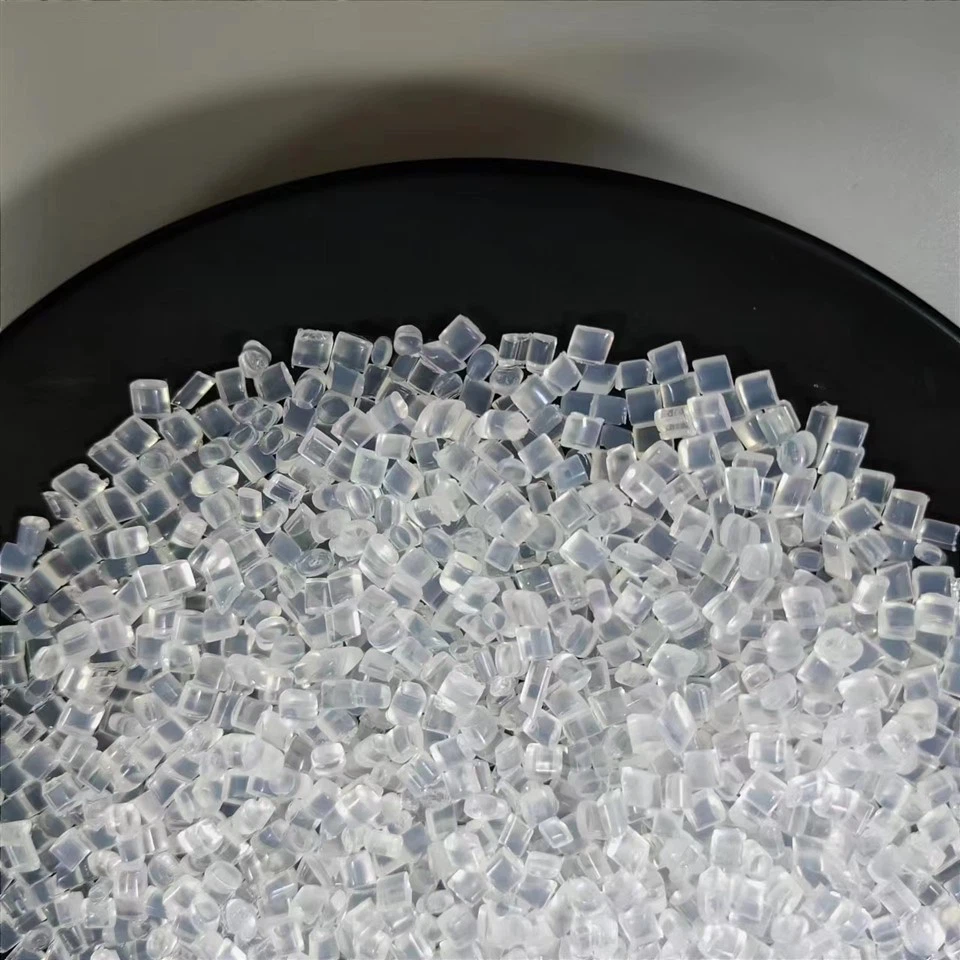

Another aspect to consider is the biofouling problem. Shallow waters are rich in marine organisms such as barnacles, mussels, and algae. These organisms can attach themselves to the cable sheathing, increasing the weight of the cable and potentially causing blockages or interference with the cable's performance. Our research team has been working on developing anti - biofouling coatings for our Submarine Cable Sheathing Nylon. These coatings can prevent the attachment of marine organisms, ensuring the smooth operation of the cable in shallow - water environments.
Let's also compare our Submarine Cable Sheathing Nylon with other materials commonly used in cable sheathing. For instance, Bio - based Long Chain Nylon Resin PA610 Bio - based Long Chain Nylon Resin PA610 is a similar material with its own set of advantages. PA610 offers good chemical resistance and mechanical properties, but our Submarine Cable Sheathing Nylon has been specifically optimized for submarine cable applications, with enhanced abrasion resistance and flexibility.
Flexible Nylon for Oil Transfer Lines Flexible Nylon for Oil Transfer Lines is another related product. While it also has flexibility, it is designed mainly for oil transfer applications and may not have the same level of protection against the unique challenges of shallow - water submarine cable environments, such as abrasion from fishing equipment and chemical contamination from coastal pollution.
In conclusion, Submarine Cable Sheathing Nylon has great potential for use in shallow - water environments. Its abrasion resistance, chemical resistance, and mechanical properties make it a suitable choice for protecting submarine cables in these areas. Although there are some challenges such as UV radiation and biofouling, our company has developed solutions to address these issues.
If you are in the market for high - quality submarine cable sheathing materials, we would be delighted to discuss your specific requirements. Our team of experts can provide detailed technical information and offer customized solutions to meet your needs. Whether you are involved in coastal infrastructure projects, offshore wind farms, or other shallow - water cable installations, our Submarine Cable Sheathing Nylon can provide reliable protection for your cables. Please feel free to contact us to start a procurement discussion.
References
- Various in - house research reports on the properties of Submarine Cable Sheathing Nylon
- Industry standards and guidelines for submarine cable installation and material selection in shallow - water environments


